Made in Karachi
Prime Wear is designed and made in Karachi. A look at where our clothes come from.

In this article
Prime Wear is a Karachi brand. Our factory is in the Korangi Industrial Area, and our warehouse is at the Makkah Hosiery Market in SITE. Every order we send to customers across Pakistan starts its journey here, in a city that has been at the heart of the country's textile and garment industry for generations. This is the story of where our clothes come from, and why it matters to us that they are made close to home.
A city built on textiles
Karachi has always been a city of makers. Its industrial areas are home to spinning, knitting, dyeing, cutting and stitching, and to the skilled people who have done this work for decades. Many of the world's clothing brands have relied on this kind of expertise. We believe that skill deserves to be seen, and worn, by people here at home too.
Being part of this city means we are surrounded by the materials, trims and craftspeople that good clothing needs. Fabric, thread, zips and packaging can be found, compared and checked close by, rather than waited for from far away.
Our factory in Korangi
Our clothes are made at our factory in the Korangi Industrial Area. This is where fabric becomes a garment: pieces are cut, stitched, finished and checked before they move on to the warehouse.
Having our own production close by changes how we work in a few important ways.
- We can see the work. Instead of relying on photos from a supplier, we can look at a seam, feel a fabric and check a fit in person.
- We can fix things quickly. If a detail is not right, such as a collar that does not sit well or a hem that is uneven, it can be corrected while production is still running, not after a shipment has arrived.
- We can make changes. When we improve a design, the change can be tested and made without long delays.
Simple pieces, done properly
We focus on the basics men wear every day: tees, polos, shirts, hoodies and trousers. These are not complicated designs, and that is exactly why the details matter. When a piece is simple, there is nowhere for poor quality to hide.
Here is what we pay attention to:
- The fit of the shoulder. It decides whether a tee or polo looks sharp or sloppy.
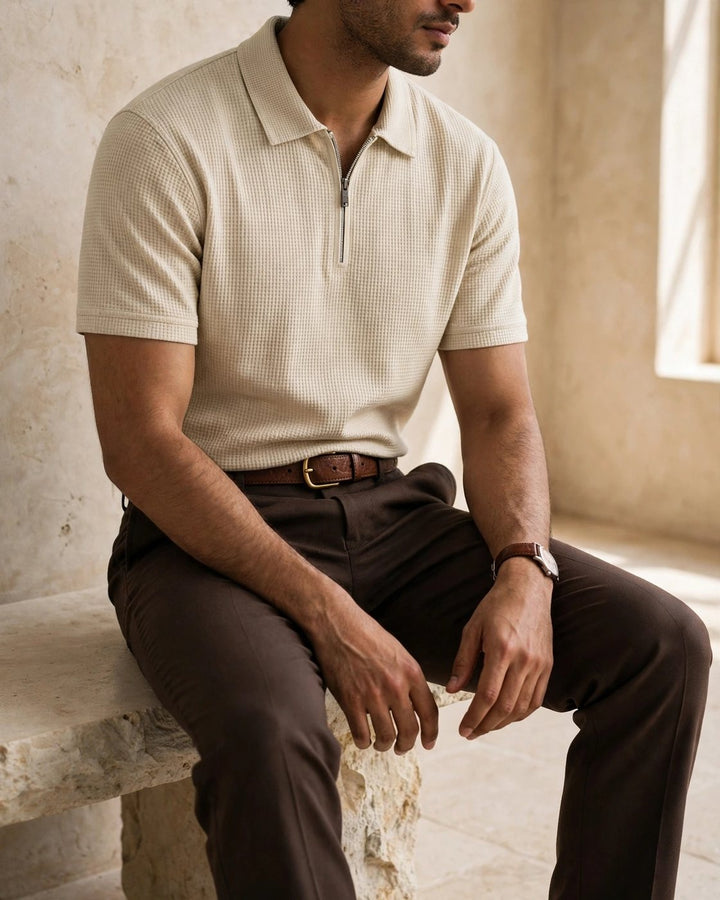
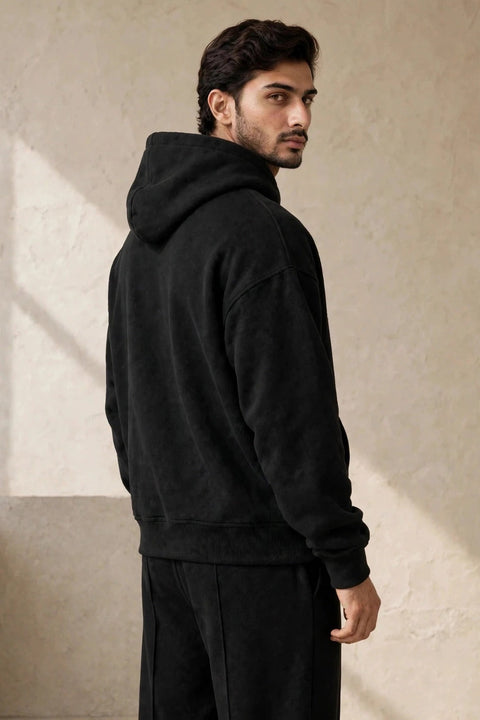
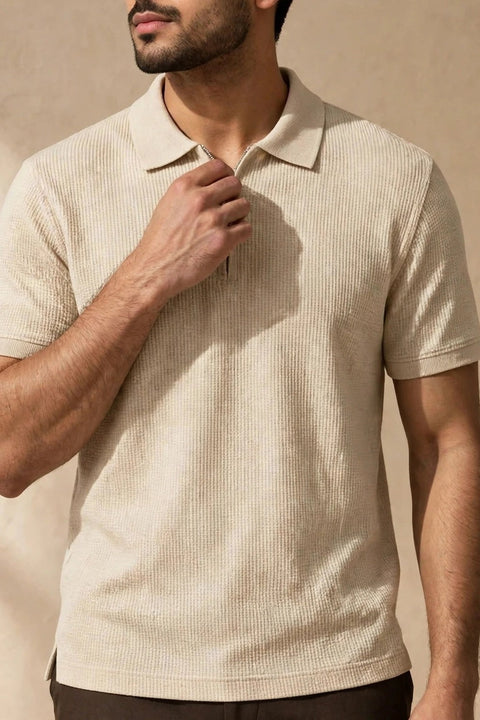
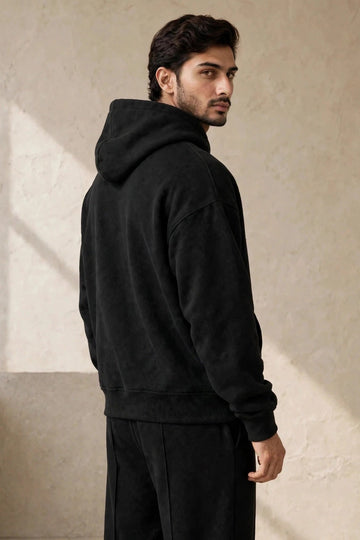
- The weight and feel of the fabric. A hoodie should feel heavy and soft; a polo should have texture and body.
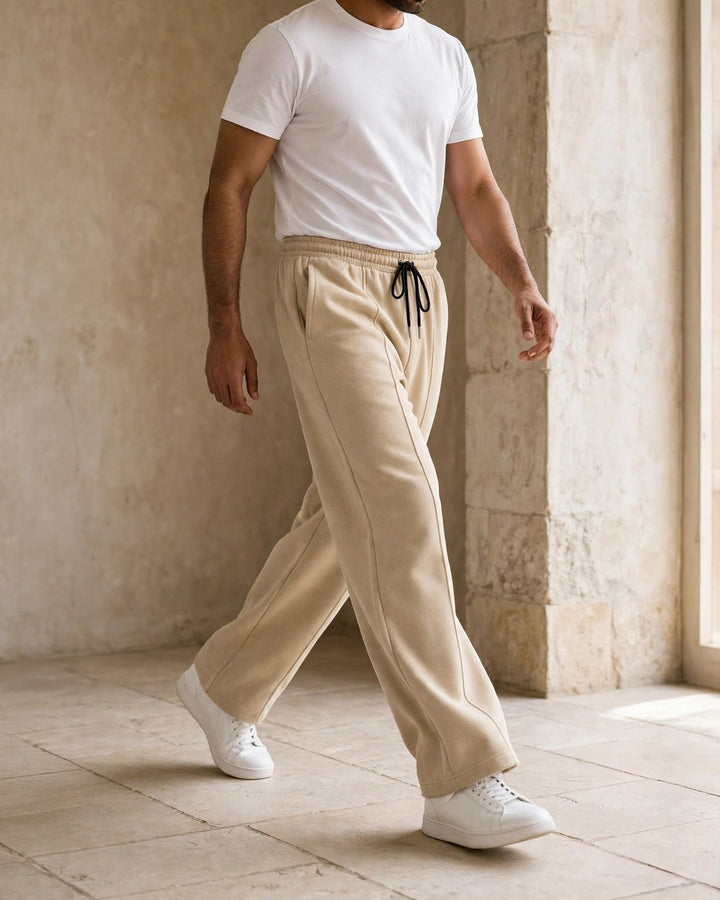
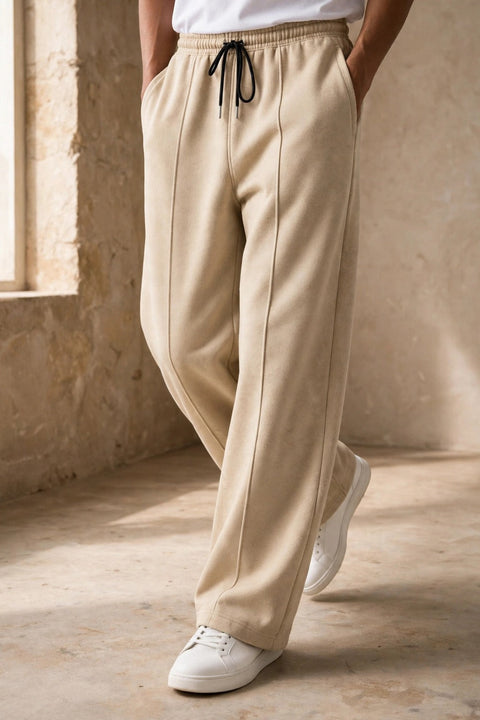
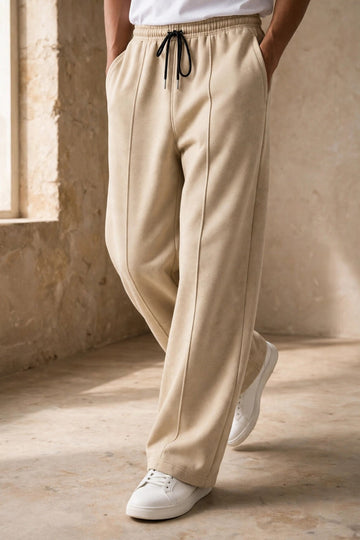
- Straight seams. The stitched seam down the front of our loose fit trousers only works if it is perfectly straight.
- Trims that work. A zip that runs smoothly, a drawstring with clean tips, ribbing that holds its shape.
- Finishing. Clean hems, tidy inside seams and no loose threads.
Our warehouse in SITE
From the factory, finished pieces go to our warehouse at the Makkah Hosiery Market in SITE. This is where your order is put together. Each order is picked, checked and packed by our team, then handed to our courier partners.
Orders are dispatched the next working day and delivered across Pakistan within 2 to 3 working days after that. Orders are not dispatched on Sundays or public holidays, and during busy sale periods there can be short delays. If there is a significant delay with your order, we will let you know by phone, WhatsApp or email.
From Karachi to every city
We deliver to customers all over Pakistan, from Karachi to Lahore, Islamabad, Peshawar, Quetta, Multan, Faisalabad and the smaller towns in between. Our customers can pay online or choose cash on delivery and pay the courier when the parcel arrives.
Making and shipping from one city keeps things simple. We know where every order comes from and who has handled it, which makes it easier to help you if anything goes wrong.
Built for life in Pakistan
Because we live here, we design for the way people actually live here.
- Summer heat calls for breathable fabrics like waffle knit and cotton tees that do not cling.
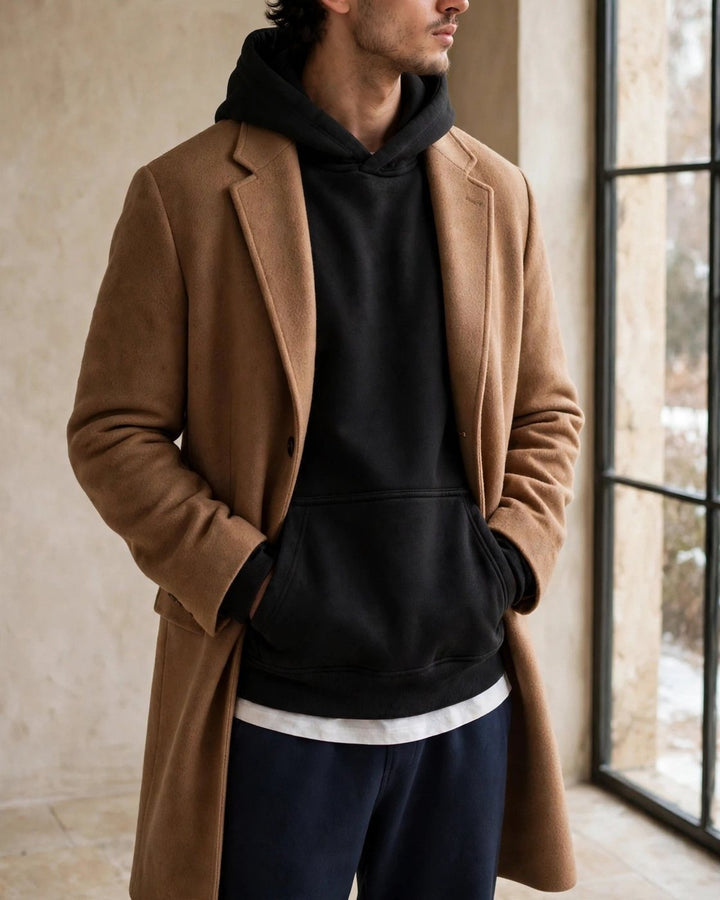
- Cool winter evenings call for heavy fleece hoodies that layer under a jacket.
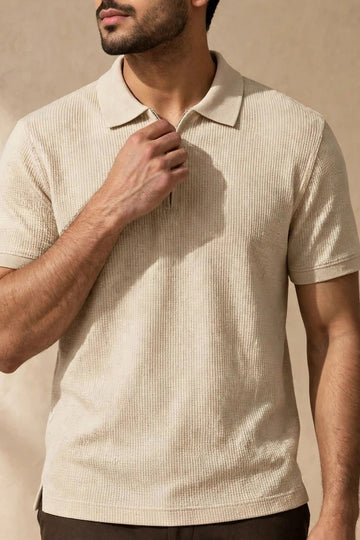
- Family events and gatherings call for smart-casual pieces like the zipper polo that look put together without being formal.
- Everyday errands and long drives call for comfortable trousers that still look sharp.
From fabric to finished piece
Every garment goes through the same basic journey before it reaches you:
- Fabric: the material is chosen for its feel, weight and how it behaves in our climate.
- Cutting: pieces are cut from the fabric following the pattern for each size.
- Stitching: the pieces are sewn together, and details like collars, zips, cuffs and drawstrings are added.
- Finishing: loose threads are trimmed, hems are checked and the garment is pressed.
- Checking: each piece is looked over before it is folded and sent to the warehouse.
- Packing: at the warehouse, your order is picked, checked again and packed for delivery.
Supporting local skill
Every step happens within our own city, which is why we can follow a garment from a roll of fabric to a folded piece in your parcel.
When you choose a brand that makes its clothes in Pakistan, you support the people and businesses behind that work: the cutters, tailors, finishers, packers and the many small suppliers of fabric, thread and trims around them. Karachi's garment industry is built on skill passed down and sharpened over years, and we are proud to be part of it.
What "made in Karachi" means to us
It means accountability. When a garment is made in our own city, there is no one far away to blame if something is not right. It means care, because the people who make our clothes are part of the same city as many of the people who wear them. And it means pride: in Pakistani craftsmanship, in Karachi's long history with textiles, and in clothes that are designed, made and sent from home.
Get in touch
If you have a question about how our clothes are made, or about an order, we are happy to help. Call 0345 8354472 or email support@primewearpk.com.

Shop the story
Explore the pieces in this story
Made in Karachi. Pay online or cash on delivery across Pakistan, with easy returns within 7 days.
Shop now